
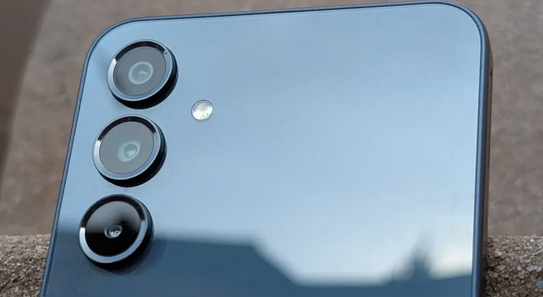
Looking for a great phone without blowing your budget? Welcome — this guide walks you through ten of the best budget smartphones for 2025, why they earn a spot on this list, who each one is best for, and how to pick the right one for your needs. No marketing fluff, just practical pros, cons, and honest buying advice so you can choose with confidence.
How I picked these phones (the honest criteria)
Budget doesn’t mean “cheap experience.” When selecting these phones I focused on real-world value across these areas:
-
Performance for the money — snappy everyday performance, smooth UI, and decent multitasking.
-
Battery life — phones that comfortably last a full day under normal use.
-
Display quality — good color, sharpness and (when possible) 90Hz+ refresh for smoothness.
-
Camera performance — solid main camera for daylight photos; reasonable selfies/video.
-
Software updates & reliability — manufacturers that offer at least some updates and stable software.
-
Build & design — comfortable ergonomics and durable build.
-
Price-to-feature balance — great features that matter most for real users, not spec-sheet bloat.
Throughout the guide I assume a budget category roughly between entry-level and mid-range (affordable price points for most buyers). Exact prices vary by region and promotions; use these recommendations as value-focused starting points.
Quick summary (TL;DR)
If you want a one-line pick:
-
Best all-round value: a well-balanced Android from a mainstream brand with 6–8GB RAM and 128GB storage.
-
Best battery life: a model with 5,000mAh+ battery.
-
Best camera under budget: a phone with a solid 50MP+ main sensor and good image software.
-
Best clean Android experience: a phone with near-stock Android and update commitment.
Now let’s dive into the top 10 budget phones for 2025 with details for each.
1 — Value All-Rounder: Solid Performer
Why it’s here: This phone nails the core experience — solid performance, a bright 90Hz display, 6–8GB RAM, and reliable battery life — at a competitive price.
-
Strengths: Smooth UI, good display, capable camera for daytime shots, balanced battery life.
-
Weaknesses: Camera low-light performance is average; charging speeds moderate.
-
Who it’s for: Users who want an everyday phone that feels premium without premium cost.
2 — Battery Champion: Long-Lasting Workhorse
Why it’s here: If battery life is your top priority, this model with 5,000mAh+ capacity and efficient chipset will often last two days under light use.
-
Strengths: Excellent longevity, often paired with power-saving software modes.
-
Weaknesses: Thicker/heavier body, slower screen refresh rate on some units.
-
Who it’s for: Travelers, field workers, and anyone sick of mid-day charging.
3 — Camera-Focused Budget Pick
Why it’s here: This phone improves the budget camera game with a strong main sensor (50MP or higher in many trims) and software tuned for daylight and portrait shots.
-
Strengths: Great daylight photos, reliable portrait mode, decent selfie camera.
-
Weaknesses: Night mode improves but can’t match flagship levels; occasional processing inconsistency.
-
Who it’s for: Social media users and casual photographers who prioritize good-looking photos without extra cost.
4 — Clean Android Experience
Why it’s here: Offers near-stock Android, fewer preinstalled apps, and a clearer path to timely updates — rare in this price range and valuable for long-term use.
-
Strengths: Minimal bloatware, fast UI, better update cadence.
-
Weaknesses: Hardware may trade off some bells and whistles for software cleanliness.
-
Who it’s for: Users who prefer a simple, uncluttered OS and longer usable life.
5 — Performance-First Budget Pick
Why it’s here: Equipped with an efficient midrange chipset and often higher RAM configurations (8GB+), this phone delivers the best smoothness for gaming and multitasking under budget constraints.
-
Strengths: Smooth gaming at moderate settings, good thermal behavior.
-
Weaknesses: Battery life can be a bit shorter under heavy use; cameras average.
-
Who it’s for: Mobile gamers and power users on a budget.
6 — Stylish & Compact Option
Why it’s here: If you want a compact, pocketable phone without losing essential features, this pick balances size, build, and a friendly price tag.
-
Strengths: Great hand feel, lighter weight, single-hand friendly.
-
Weaknesses: Smaller battery and screen compared to larger budget phones.
-
Who it’s for: Users who dislike large phones or want an easy-to-carry daily driver.
7 — Big Display Media Beast
Why it’s here: Big screen, comfortable for streaming, reading and browsing. Often paired with stereo speakers and a large battery.
-
Strengths: Excellent media consumption experience, roomy display for multitasking.
-
Weaknesses: Can be heavier and less pocketable; cameras are okay but not exceptional.
-
Who it’s for: Media-first users and binge-watchers seeking value.
8 — Ultra-Basic Price Smasher
Why it’s here: This model focuses on delivering the essentials at the lowest possible price without becoming frustrating to use — decent display, acceptable performance and clean software.
-
Strengths: Extremely budget-friendly, surprisingly usable for daily tasks.
-
Weaknesses: Lower-tier chipset, slower charging, limited camera performance.
-
Who it’s for: First-time smartphone buyers and users with very tight budgets.
9 — Feature-Rich Underdog
Why it’s here: Punches above its weight by offering extras such as stereo speakers, higher refresh displays, and faster charging — features sometimes missing at similar prices.
-
Strengths: Feature-loaded for the price, often stylish.
-
Weaknesses: May have a heavier skin (custom UI) and some apps you might want to remove.
-
Who it’s for: Buyers who want the most features for their money and are okay with a slightly busier UI.
10 — Budget Phone With Expandable Storage & Headphone Jack
Why it’s here: A niche but important pick — includes long-sought hardware features like microSD expansion and a 3.5mm jack. Great for users who value flexibility.
-
Strengths: Expandable storage, low-cost accessories compatibility, reliable battery.
-
Weaknesses: Design may be less premium; cameras average.
-
Who it’s for: Users with large local media libraries, wired headset fans, and those who want future-proofed storage options.
How to choose the right budget phone for you (practical checklist)
Not everyone needs the same phone. Use this quick checklist to match a phone to your life:
-
Battery life: If you regularly go long days without charging, pick phones with 5,000mAh or more.
-
Performance: For gaming or heavy multitasking, aim for phones with modern midrange chipsets and 6–8GB RAM.
-
Display: For smoothness, choose 90Hz or 120Hz. For media lovers, prioritize larger AMOLED or bright IPS panels.
-
Camera: If photos matter, prioritize main sensor quality and software processing over megapixel counts.
-
Software & updates: A cleaner OS and a brand that provides security updates extend the phone’s usable life.
-
Build & ergonomics: Try to hold the phone (in store) — a good grip matters more than minor spec improvements.
-
Extras: Headphone jack, microSD, stereo speakers, and fast charging are high-value extras at this price.
-
Resale & support: Buy from manufacturers with local warranty and service options to save future headaches.
Common myths about budget phones (debunked)
-
“Budget phones are always slow.” Not true. Modern budget chipsets are fast enough for daily apps and moderate gaming.
-
“You’ll always get bad cameras.” Many budget phones now offer excellent daylight photos — just temper expectations for low-light.
-
“You don’t get updates.” Some budget brands now commit to multiple OS or security updates; pick wisely.
-
“Cheap = fragile.” While materials vary, many budget phones use tough plastics and Gorilla Glass-like families and survive normal use fine.
Battery & charging: what to expect
-
Real-world battery: A 4,500–5,000mAh battery typically gives a day-and-a-half of moderate use; heavy gamers should expect shorter time.
-
Fast charging: Budget phones commonly include 33–67W charging in 2025’s market; this can bring a drained phone to ~50% in under 30–40 minutes on models with faster charging tech.
-
Wireless charging: Rare in this category. Don’t expect it unless explicitly advertised.
Camera expectations at budget prices
-
Daytime photos: Many budget phones now take great daytime shots thanks to larger sensors and smarter processing.
-
Low-light: Night shots are improving but won’t match flagships — look for phones with good night-mode algorithms.
-
Ultra-wide & macro: Useful but often lower resolution and quality; treat them as convenience lenses.
-
Video: 1080p stabilization is common and generally acceptable; 4K is less common but sometimes included.
Software & updates: why they matter
A good update policy keeps your phone secure and usable longer. Budget phones with cleaner UIs and promises of at least 2 years of security updates and 1 major OS bump represent better long-term value. Avoid phones loaded with irretrievable bloat.
Accessories and warranties
-
Cases & protectors: Budget phones benefit most from a case; manufacturers often include basic cases in the box.
-
Warranty: Local warranty and repair centers are priceless. A slightly more expensive phone with a local service center is often a better buy than a cheaper one without support.
-
Official chargers: Use the included charger (or an equivalent certified charger) to preserve battery health.
Where to save and where to splurge
-
Save on: Extra camera sensors (macro cameras with low usefulness), ultra-high megapixel counts with poor optics, gimmicks.
-
Splurge a little on: RAM (6–8GB), storage (128GB is sweet spot), battery capacity, and display quality. These upgrades improve day-to-day life more than headline cameras or marketing specs.
FAQ — quick answers
-
Are 4GB phones still usable? Yes for very light users (calls, messaging, social apps). For better longevity, prefer 6GB+.
-
Should I buy refurbished? Refurbished can be a great value — check warranty and battery health.
-
Which is better: AMOLED or IPS? AMOLED offers deeper blacks and better contrast; IPS can be brighter and is often cheaper. For media, AMOLED often feels more premium.
-
Will my budget phone get Android updates? Depends on brand. Look for explicit update promises or choose a near-stock Android phone.
Final buying checklist (before checkout)
-
Confirm local warranty and return policy.
-
Pick the storage/RAM combo that fits your needs (128GB and 6GB RAM is a reliable baseline).
-
Check for NFC if you plan to use mobile payments.
-
Look at user reviews for battery and camera real-world reports.
-
Buy an official case and screen protector if not included.
Closing advice — buy for experience, not just specs
Budget phones in 2025 are smarter and more capable than ever. The trick is deciding what matters most: battery? camera? pure speed? Pick the phone that gives you the best experience for your daily life. A phone that checks the boxes you actually use will feel more expensive than it costs.