
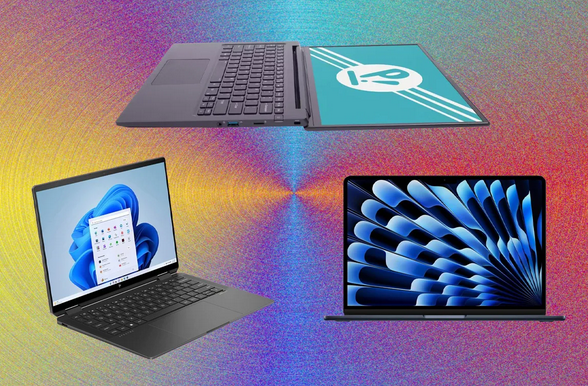
Buying a laptop in today’s fast-paced digital world can feel overwhelming. With hundreds of models, dozens of brands, and endless specifications, choosing the right device is both exciting and confusing. Whether you need a laptop for work, studies, gaming, programming, or general use, making the wrong purchase can cost you money and productivity.
This comprehensive laptop buying guide will walk you through the 12 most important things to check before buying a laptop. By the end, you’ll be able to confidently choose a machine that fits your needs, budget, and long-term usage plans.
1. Determine Your Purpose of Buying
Before diving into specifications, clarify what you will use your laptop for:
Basic Use
-
Web browsing
-
Watching videos
-
MS Office
-
Online classes
Professional Work
-
Coding
-
Graphic designing
-
Video editing
-
Architecture (AutoCAD, Revit)
Gaming
-
AAA titles
-
High-refresh esports games
Business or Office Work
-
Portability
-
Long battery
-
Good keyboard
-
Reliability
Understanding your use-case helps narrow down the specs you should prioritize. For example:
-
Students need portability & battery.
-
Gamers need strong GPU & cooling.
-
Designers need color-accurate displays.
2. Choose the Right Processor (CPU)
The CPU is the brain of your laptop. It determines performance, speed, and multitasking capability.
Popular CPU Options
-
Intel: Core i3, i5, i7, i9
-
AMD: Ryzen 3, 5, 7, 9
-
Apple M-Series: M1, M2, M3 (for MacBooks)
Which CPU Should You Choose?
-
Basic Users: Intel i3 / Ryzen 3
-
Students & Office Work: Intel i5 / Ryzen 5
-
Video Editors, Designers: Intel i7 / Ryzen 7
-
Heavy Users, Professionals: Intel i9 / Ryzen 9
-
Mac Users: M1/M2/M3 chips offer excellent performance & efficiency
CPU Generation Matters
Always prefer the latest generation for better performance and power efficiency. For example:
-
Intel 13th/14th Gen
-
AMD Ryzen 7000 Series
3. Check the RAM (Memory)
RAM affects how many apps you can run simultaneously without lag.
Recommended RAM
-
Basic Usage: 4GB (minimum), 8GB (ideal)
-
Students & Office Work: 8GB minimum
-
Gaming & Editing: 16GB minimum
-
High-end Production: 32GB or more
Upgradability
Check if the laptop has:
-
Extra RAM slot
-
Soldered RAM
-
Maximum supported RAM
Upgradable laptops are more future-proof.
4. Storage Type: SSD vs HDD
Your storage type affects boot time, app loading time, and overall smoothness.
Options
-
HDD: Cheaper, more storage, slower
-
SSD (Recommended): Fast, reliable, energy-efficient
-
NVMe SSD: The fastest option
Ideal Storage
-
Basic Users: 256GB SSD
-
Professionals: 512GB SSD
-
Gamers/Editors: 1TB SSD
Try to avoid laptops with HDD only. SSD is now essential.
5. Graphics Card (GPU)
Your GPU determines how well your laptop handles graphics-heavy tasks.
Integrated GPU
-
Intel Iris Xe
-
AMD Radeon
-
Apple Integrated M-Series GPU
Best for normal users, students, and office workers.
Dedicated GPU
-
NVIDIA GTX / RTX series
-
AMD Radeon RX series
Choose a dedicated GPU if you:
-
Game seriously
-
Edit 4K videos
-
Do 3D modeling
-
Use architecture or rendering software
6. Display Quality & Size
Your laptop screen is what you look at for hours — it must be good.
Display Size Options
-
13″ to 14″: Lightweight, portable
-
15″: Standard size, balanced
-
16″ to 17″: Professional & gaming (heavier)
Resolution
-
HD (1366×768): Avoid
-
Full HD (1080p): Ideal for most users
-
2K / 4K: Best for designers & high-end professionals
Panel Type
-
IPS: Best for color & viewing angles
-
TN: Cheaper but poor quality
-
OLED: Best colors, but expensive
Refresh Rate
-
60Hz: Normal use
-
120Hz/144Hz: Gamers should choose
-
240Hz+: Competitive gamers
7. Battery Life & Charging Speed
Battery life is especially important for students, travelers, and office workers.
Ideal Battery Range
-
Basic/Office Use: 6–8 hours
-
Students: 8–12 hours
-
Gaming Laptops: 3–5 hours (because of powerful hardware)
Fast Charging
Look for laptops supporting:
-
USB-C charging
-
65W or 100W power delivery
This makes charging more convenient.
8. Build Quality & Durability
A durable laptop lasts longer and is more reliable.
Things to Check
-
Strong hinge
-
Aluminum or magnesium alloy body
-
Keyboard flex
-
Screen protection
-
Spill-resistant keyboard
Premium ultrabooks usually offer the best build quality.
9. Keyboard & Trackpad Quality
Your typing experience matters, especially if you work long hours.
Things to Notice
-
Key travel
-
Backlit keyboard
-
Key spacing
-
Multi-gesture trackpad
-
Precision Touchpad support
Backlighting is useful for working at night or in low light.
10. Ports & Connectivity
Make sure your laptop has the ports you need.
Essential Ports
-
USB-A
-
USB-C
-
HDMI
-
Headphone jack
-
SD card reader (optional but useful)
Important Connectivity Features
-
Wi-Fi 6 or Wi-Fi 6E
-
Bluetooth 5.1 or above
-
Thunderbolt 4 (for high-speed data & external GPU)
Gaming and editing users often need more ports.
11. Weight & Portability
If you travel or move around frequently, weight matters a lot.
Weight Categories
-
Ultrabooks: 1kg – 1.4kg
-
Traditional laptops: 1.5kg – 2kg
-
Gaming laptops: 2kg – 3kg+
Students and office users should ideally choose lightweight models.
12. Budget & Future-Proofing
Your budget determines what specs you can get — but choose wisely.
Budget Ranges
-
Under $400: Basic laptops
-
$400–$700: Perfect for students & office work
-
$700–$1200: Mid-range, good performance
-
$1200+: High-end ultrabooks & gaming laptops
Future-Proof Features
To ensure your laptop lasts 4–6 years:
-
Latest generation CPU
-
SSD storage
-
8GB or 16GB RAM
-
1080p IPS display
-
Good battery
-
USB-C support
Additional Tips Before Buying a Laptop
Check Upgradability
A laptop with upgrade options (RAM + SSD) lasts longer.
Avoid Outdated Models
Old processors or HDD-only laptops are slow and outdated.
Read User Reviews
Always check performance feedback and common issues in customer reviews.
Compare Specs Across Brands
A laptop with the same specs may cost differently across brands.
Warranty & Customer Support
Prefer brands offering:
-
1-year standard warranty
-
Optional extended warranty
-
On-site support
This is especially useful in case something goes wrong.
Conclusion
Buying a laptop is a long-term investment. Understanding what specs matter — and why — can save you from making a costly mistake. Whether you’re a student, office worker, gamer, or creative professional, the 12 factors discussed above will guide you toward the best laptop for your needs.
By checking processor performance, RAM, storage, graphics, display, battery, and build quality — and matching them with your purpose — you can confidently choose a machine that delivers great value, efficiency, and durability.