
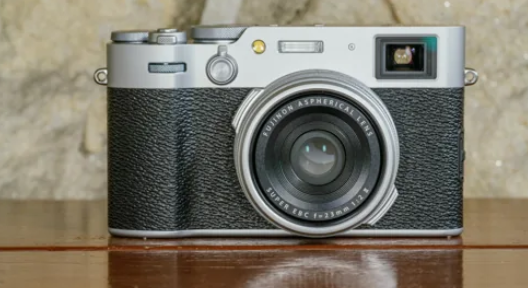
The camera market in 2025 is a thrilling mix of refinement and reinvention. Sensor technology, AI-powered autofocus, and video-centric features have blurred the lines between stills and cinema; meanwhile, manufacturers are diversifying bodies, lenses, and price points so there’s a great camera for every kind of creator. This guide walks through the standout cameras of 2025 — from flagship powerhouses to compact travel champs — explains who each one is for, and gives practical buying advice so you pick the right tool for your work (or passion).
Quick verdict — the top picks at a glance
-
Best all-round hybrid: Sony A7 V — a new generation full-frame that balances ultra-capable stills and modern video workflows.
-
Best for serious video creators (value): Panasonic LUMIX S5 II / S5 IIX — strong internal codecs, pro video features without flagship price.
-
Best flagship for speed and resolution: Sony a1 II / Canon EOS R5 II / Nikon Z9-class bodies — uncompromising performance for pros.
-
Best travel / compact full-frame: Sony a7CR / a6700-class APS-C options — small, light, and great image quality for explorers.
Why 2025 feels different (short version)
Two trends define the 2025 market: (1) AI and on-chip processing — autofocus and subject recognition are faster and smarter thanks to dedicated silicon and improved processors; (2) video parity — many cameras under $3k now offer internal 10-bit capture, high frame rates, and pro codecs that were once the domain of cinema cameras. That means hybrid shooters can stop compromising so often — stills or video, you get both.
The standout: Sony A7 V — the hybrid workhorse
Sony’s A7 series has been the backbone of full-frame mirrorless for years; the A7 V refines that formula for 2025 with a partly stacked 33MP sensor and a more powerful BIONZ XR2 (and AI-enabled processing). What matters to photographers and videographers is that it improves autofocus coverage, in-body stabilization, and video options (4K60 from oversampled 7K and high-frame-rate modes), delivering a genuinely flexible camera that’s neither toyish nor prohibitively expensive. If you want a single body that can confidently handle weddings, portraits, landscapes, and run-and-gun video, the A7 V is a top contender.
Who it’s for: advanced enthusiasts, one-person production teams, hybrid content creators.
Why you might skip it: if you require the absolute top speed or resolution for very specialized pro work (sports, high-end studio advertising), a flagship pro body may still edge it out.
Best for video (value): Panasonic LUMIX S5 II / S5 IIX
Panasonic’s S5 II and S5 IIX remain excellent value for videographers who need professional codecs and flexible internal recording. These bodies offer robust internal 10-bit 4:2:2 capture, high-resolution open-gate options (useful for downsampling), and pragmatic ergonomics for long takes. Reviewers often praise their video-first features at a price point far below rival cinema systems, which makes them ideal for indie filmmakers, YouTubers, and documentary shooters who need cinematic output without a separate recorder.
Who it’s for: videographers on a budget who still want pro codecs and color control.
Why you might skip it: if stills resolution or autofocus coverage for fast action is your priority, some Sony/Fujifilm options may be better.
Flagship beasts: Sony a1 II, Canon EOS R5 II, Nikon Z9 class
If you need the absolute best — highest burst rates, the deepest autofocus systems, or the largest feature set for commercial clients — flagship bodies remain unmatched. In 2025 the conversation centers around multi-purpose monsters like Sony’s A1 II and Canon/Nikon’s latest high-end models. These cameras offer blistering continuous shooting, advanced tracking, and top-tier image quality that pros rely on for sports, wildlife, and demanding commercial assignments. If your livelihood depends on speed, reliability, or top-level color/tonal control, these are the safe bets.
Who it’s for: professional sports/wildlife photographers, high-end commercial studios, cinematographers who need top-of-the-line specs.
Why you might skip them: price, weight, and complexity — they’re overkill for casual shooters and many content creators.
APS-C and compact options — great choices for budget and travel
Not everyone needs full-frame. The APS-C class in 2025 offers excellent mid-range options that are lighter, cheaper, and lens-compact, while still delivering fantastic IQ. Fujifilm’s X-series (X-T5 family) and Sony’s a6700 / a6700-class bodies are staples for enthusiasts who love color rendering, tactile controls, and a more compact kit for travel. For travelers who want full-frame quality but with smaller size, cameras like Sony’s a7CR and some new compact full-frame entries strike a nice middle ground.
Who it’s for: travel photographers, street shooters, hobbyists, vloggers who want smaller lenses.
Special mention: medium format and high-resolution specialists
Medium-format systems and ultra-high-resolution full-frame bodies remain niche but essential when ultimate detail and tonality matter (fine art, studio advertising). Fujifilm’s GFX line and a new crop of high-res full-frame bodies remain the choice for that exacting work. They’re heavier, pricier, and require specialized lenses, but for prints and commercial retouching, they’re unrivaled.
Who it’s for: art photographers, commercial studios, landscape photographers printing very large work.
Buying advice: how to pick the right camera in 2025
-
Decide your primary use-case: weddings, wildlife, travel, studio, YouTube? The best camera is the one that fits your main job.
-
Prioritize lenses over bodies: you’ll keep bodies longer than lenses; invest in quality glass that matches your shooting style.
-
Consider workflow (video codecs, card formats, battery life): internal 10-bit capture, CFexpress vs SD, and good battery life can save time and money.
-
Ergonomics matter: hold the camera before buying if possible. Grip, button layout, and viewfinder clarity affect performance in the field.
-
Futureproof features: AI autofocus subject recognition, IBIS, and robust heat management for long video takes are worth considering.
-
Used market is healthy: good bodies depreciate quickly — buying lightly used can give flagship performance at sensible prices.
Real-world shooting tips (apply regardless of brand)
-
For sharpness, stop down one or two stops from the lens’s maximum for critical landscapes; for portraits, wide apertures give pleasing subject separation.
-
Use a high-quality fast card (and a backup workflow) for continuous burst shooting and 4K/6K video.
-
If shooting mixed content, use a preset naming and folder structure so you can quickly separate stills from video footage in post.
-
Don’t ignore stabilization: lenses + IBIS together give the best handheld results.
-
For color-critical work, shoot RAW and create simple camera profiles for your editing software.
Lens recommendations and ecosystems
Choosing a camera often means choosing an ecosystem. Sony’s E-mount, Canon RF, Nikon Z, and L-mount (Panasonic/Leica/Sigma) each offer strengths:
-
Sony E-mount: huge lens selection, strong AF, many third-party options.
-
Canon RF: rapidly expanding lens lineup and excellent native glass for high-res bodies.
-
Nikon Z: excellent optics and ergonomics; strong with wildlife and action with telephoto support.
-
L-mount (Panasonic/Sigma/Leica): great for video-oriented systems and some innovative lens designs.
Tip: if you already own glass from a brand, staying in that mount reduces cost and friction.
Price tiers & examples (2025 market snapshot)
-
Entry to mid-range (under ≈ $1,000 — $1,500): Solid APS-C options, entry full-frame on sale, great starter kits for content creators.
-
Mid-range hybrid (≈ $1,500 — $3,000): True hybrid bodies offering 4K/60, IBIS, and advanced AF — this is where the best value lives in 2025. (e.g., Sony A7 V).
-
Prosumer / Flagship (≈ $3,000+): High-speed, high-resolution beasts with pro workflows, CFexpress support, ruggedized bodies.
Practical scenarios — which camera to buy for your needs
-
YouTube vlogger / solo creator: mid-range hybrid with good autofocus and a flip screen (look at Panasonic S5 II or Sony A7 V-class bodies).
-
Wedding / event photographer: full-frame hybrid with reliable AF tracking and dual cards (A7 V or Canon/Nikon pros).
-
Wildlife / sports: flagship speed — the Z9 class or A1 II family for high burst speeds and tracking.
-
Travel photographer: compact full-frame or APS-C with small primes; the a7CR and a6700-class bodies shine.
-
Indie filmmaker: Panasonic S-series (S5 II / S5 IIX) or dedicated cinema cameras if budget allows.
Final thoughts: buy the right tool, not the “best” headline
Headlines and “best of” lists are helpful, but remember: the best camera for your creative work is the one that you’ll use consistently. In 2025, the gap between stills and video capability is narrower than ever — you can pick a body that excels at both without spending flagship money. If you shoot professionally, buy the best body you can justify and invest in a small selection of great lenses. If you’re an enthusiast, prioritize ergonomics, size, and lenses that match your style.
Short shopping checklist before checkout
-
Do you have lenses you can reuse? If yes, do an adapter compatibility check.
-
Does the camera’s video codec & heat handling match the type of shooting you’ll do?
-
Are there firmware updates or model refreshes announced (manufacturers often release small updates that fix early issues)? (Look up the latest product pages and firmware notes before purchase.)
-
Consider the used market and official bundles — you can get great value on last-gen flagship bodies.
Closing note
2025 is a golden year for creators: brilliant hybrid cameras, smarter autofocus, and professional video features are widely available across price tiers. Whether you’re building a one-person studio or traveling the world, you’ll find gear that fits both your budget and creative ambitions. If you tell me your budget and primary use (weddings, wildlife, travel, YouTube, studio), I can recommend a short list of models and lenses tailored just for you.