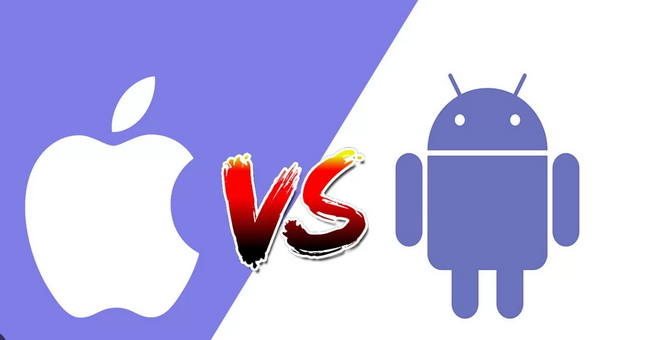
Choosing between Android and iPhone has always been one of the biggest questions for smartphone buyers. Both platforms are powerful, fast, and packed with features, but they are designed very differently. Each one has its strengths and weaknesses, and the right choice depends on your needs, usage style, and budget.
This complete comparison guide will take you through every important factor — performance, software, battery, camera, price, updates, security, customization, and real-life usage — so that you can make the right decision with confidence.
Introduction: Why This Comparison Matters
For many people, a smartphone is more than a device — it’s a daily companion. That’s why choosing the right one matters. Android phones come from many brands like Samsung, Google, Xiaomi, OnePlus, Vivo, and more. iPhone is made only by Apple and runs on iOS.
This difference shapes everything: design, features, apps, updates, and user experience. Understanding these differences will help you choose the phone that fits YOU.
1. Design and Build: Premium vs Variety
iPhone
-
Apple controls both hardware and software.
-
Build quality is consistently premium (glass + metal).
-
Sleek design, strong durability, and long-lasting structure.
-
Fewer model choices, but all elegant and high-quality.
Android
-
Comes in all shapes and sizes depending on the manufacturer.
-
Premium models (Samsung S series, Pixel, OnePlus Pro) rival iPhones.
-
Many brands offer great designs, but quality varies in budget models.
-
Much wider variety in size, colors, materials, and features.
Conclusion:
iPhone = consistent premium quality
Android = more choice and flexibility
2. Operating System Experience
iOS (iPhone)
-
Simple, clean, and extremely smooth user experience.
-
Minimal bugs and consistent performance.
-
All iPhones feel similar, making it easy for anyone to use.
Android
-
Highly flexible system with more features and customization.
-
Different brands add their own UI (Samsung One UI, OxygenOS, MIUI, etc.)
-
You can change almost everything: icons, themes, launchers, and layout.
Conclusion:
iPhone = simple, smooth, stable
Android = customizable, powerful, flexible
3. Performance and Speed
iPhone
-
Uses Apple’s A-series chips, which are extremely powerful.
-
iPhones maintain smooth performance for years.
-
Better optimization between hardware and software.
Android
-
High-end Android phones use powerful chips (Snapdragon, Tensor).
-
Performance varies by brand and model.
-
Some budget phones may lag, but flagships are extremely fast.
Conclusion:
iPhone = consistently top performance
Android = depends on model (flagships are excellent)
4. App Quality and Ecosystem
iPhone App Ecosystem
-
Applications on iOS often get updates first.
-
Developers optimize their apps better for iPhones.
-
Apple-exclusive apps like iMessage, FaceTime, AirDrop create a powerful ecosystem.
Android App Ecosystem
-
Google services (Maps, Drive, Gmail) are deeply integrated.
-
Play Store has more free apps and wider variety.
-
You can install apps outside Play Store (but this reduces security).
Conclusion:
iPhone = better app quality and exclusive features
Android = more freedom and Google services advantage
5. Camera Comparison
iPhone
-
Realistic colors, natural tones, and excellent video quality.
-
Best for video creators, vloggers, and mobile filmmakers.
-
Less aggressive processing — more natural results.
Android
-
Some Android phones (Google Pixel, Samsung S/Ultra) have outstanding cameras.
-
Better zoom, night mode, and AI photography in many models.
-
More camera features like high-resolution lenses and pro modes.
Conclusion:
iPhone = best video and consistency
Android = best zoom, AI features, and variety
Winner depends on the model, not the platform.
6. Battery Life and Charging
iPhone
-
Strong battery optimization.
-
Good battery life but slower charging than many Android phones.
-
MagSafe and wireless charging support.
Android
-
Bigger batteries (4500–6000 mAh common).
-
Extremely fast charging available (50W to 120W).
-
Reverse wireless charging in many premium models.
Conclusion:
Android = better charging and bigger batteries
iPhone = stable performance but slower charging
7. Software Updates
iPhone
-
Gets updates for 5+ years, sometimes even 6.
-
All models receive updates simultaneously.
-
Long-term support increases phone life and security.
Android
-
Update speed depends on the manufacturer.
-
Google Pixel and Samsung now offer 5–7 years updates on new models.
-
Budget Android phones may get fewer updates.
Conclusion:
iPhone = guaranteed long-term updates
Android = improving, but brand-dependent
8. Security and Privacy
iPhone
-
Strong privacy settings and Apple’s strict app review process.
-
Less vulnerability to malware due to closed ecosystem.
Android
-
More flexible but slightly more vulnerable if misused.
-
Google provides strong protection, but security varies by brand.
Conclusion:
iPhone = stronger default privacy
Android = secure but requires careful use
9. Price and Value
iPhone
-
Expensive upfront, but:
-
Longer lifespan
-
Great resale value
-
Better long-term support
-
Android
-
Huge range of prices:
-
Budget phones
-
Mid-range phones
-
Premium flagships
-
-
More value at low and mid-range budgets.
Conclusion:
iPhone = expensive but long-lasting
Android = more choice, better for budget users
10. Ecosystem and Device Integration
iPhone Ecosystem
-
Works flawlessly with:
-
MacBook
-
iPad
-
Apple Watch
-
AirPods
-
Apple TV
-
Features like AirDrop, Handoff, Continuity Camera create a seamless experience.
Android Ecosystem
-
Works best with Google Pixel, Samsung, or brands using their own ecosystem.
-
Samsung ecosystem (Galaxy Watch, Buds, Tab, Dex) is strong.
-
Google ecosystem also improving with Pixel devices.
Conclusion:
iPhone = best integrated ecosystem
Android = strong but brand-dependent
11. Storage and File Management
iPhone
-
No expandable storage.
-
Cloud integration is strong (iCloud).
-
File management is simple but limited compared to Android.
Android
-
Many devices support microSD cards.
-
Better file manager with deeper control.
-
Easier to share files between apps and devices.
Conclusion:
iPhone = simpler
Android = more control
12. Repair Costs and Durability
iPhone
-
Repair costs are high.
-
Strong build quality.
-
Apple-certified repairs are reliable but expensive.
Android
-
Some brands are easier and cheaper to repair.
-
Budget phones have lower repair costs.
-
Premium Android repair costs may match iPhone.
Which One Should YOU Buy?
Buy an iPhone if you want:
-
Smooth, simple, stable experience
-
Best long-term updates
-
Strong privacy
-
High-quality video
-
Excellent ecosystem (Mac, Apple Watch users)
-
High resale value
Buy an Android phone if you want:
-
More customization and control
-
Better battery and fast charging
-
More value for money at any budget
-
Wide variety of phones and brands
-
Features like expandable storage or huge displays
Final Thoughts
There is no universally “best” smartphone. The best one is the one that fits your needs.
If you want simplicity, stability, and long-term usage, choose an iPhone.
If you want freedom, customization, features, and price flexibility, choose Android.