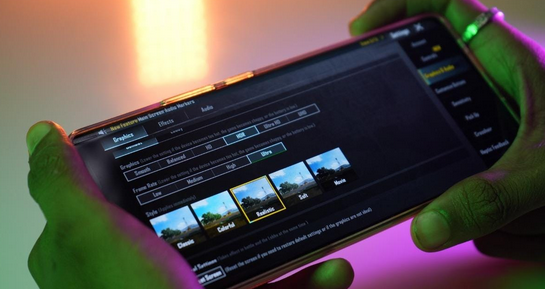
Mobile gaming has grown rapidly, transforming regular smartphones into pocket-sized gaming machines. Whether you play multiplayer shooters, strategy games, racing games, or open-world adventures, choosing the right gaming smartphone can significantly improve your performance and overall experience. But with countless models launching every year, selecting the perfect device can feel overwhelming.
This guide breaks down every key feature you must check before buying a gaming smartphone—so you can make a smart and confident decision.
1. Introduction: Why You Should Pick a Gaming-Capable Phone
A gaming smartphone is not just about playing games; it’s about smooth performance, fast response times, long-lasting battery, effective cooling, and an immersive display. Unlike regular phones that prioritize cameras or design, a gaming phone focuses on raw power and stability. Whether you’re a casual gamer or an esports player, the right phone ensures:
-
Zero lag
-
Smooth graphics
-
Quick touch response
-
Better control
-
Longer gaming sessions
-
Maximum competitiveness
To get all this, you must understand the hardware and software features that actually matter.
2. Processor (CPU): The Heart of Gaming Performance
The processor is the single most important component in a gaming smartphone. It determines how fast the phone can handle graphics, multitasking, and real-time computations.
What to Look For:
-
High clock speed (2.8 GHz or higher recommended)
-
Multiple performance cores
-
Efficient architecture for reduced heat
-
Good optimization for gaming engines
Top Processor Series for Gaming:
-
Qualcomm Snapdragon 8 Gen series
-
MediaTek Dimensity 8000–9000 series
-
Apple A-series Bionic chips (iPhones)
A powerful CPU ensures smooth frame rates, faster loading times, and consistent performance even during heavy gameplay.
3. GPU (Graphics Processing Unit): Smooth Visuals and Better Frame Rates
The GPU determines how well games render textures, shadows, animations, and visual effects.
Why GPU Matters:
-
Handles high-detail graphics
-
Improves frame rate stability
-
Supports advanced effects like ray tracing
-
Enables better compatibility with AAA games
What to Look For:
-
Adreno (Snapdragon) or Mali (Dimensity) series
-
Higher GPU frequency
-
Support for high FPS (90Hz, 120Hz, 144Hz gameplay)
-
Efficient thermal management
If you want smooth gameplay in titles like PUBG Mobile, COD Mobile, Genshin Impact, and Fortnite, focus heavily on GPU power.
4. RAM: Smooth Multitasking and No App Reloading
Gaming smartphones require more RAM than typical phones because heavy games load numerous assets in real time.
Recommended RAM for Gaming:
-
8GB RAM – Enough for most games
-
12GB RAM – Best for multitasking and high-end games
-
16GB RAM – For pro gamers or future-proofing
More RAM ensures your games don’t restart in the background and you can switch between apps without lag.
5. Storage Type and Capacity: Speed Matters More Than Size
A gaming phone needs fast storage for quick loading, smooth map rendering, and faster installation.
What to Look For:
-
UFS 3.1 or higher (UFS 4.0 is ideal for flagship gaming phones)
-
Minimum 128GB storage
-
Expandable storage support if needed
Why Storage Speed Matters:
-
Faster app loading
-
Reduces texture pop-ins
-
Improves game responsiveness
Never pick a gaming phone with slow storage or limited space, especially if you play large games.
6. Display Refresh Rate: The Most Important Part of Gaming Experience
Gaming is all about responsiveness. The refresh rate determines how many frames per second your display can show.
Recommended Refresh Rates:
-
90Hz – Good for budget gaming
-
120Hz – Excellent for all games
-
144Hz–165Hz – Best for dedicated gaming phones
Benefits of High Refresh Rate Displays:
-
Smoother animations
-
Better aim accuracy
-
Reduced input delay
-
More immersive gameplay
For FPS and racing games, this feature becomes a game-changing advantage.
7. Touch Sampling Rate: Faster Touch Response Equals Faster Gameplay
While refresh rate determines what you see, touch sampling rate determines how fast your screen reacts to your touch.
Recommended Touch Sampling Rates:
-
240Hz – Minimum for gaming
-
360Hz – Ideal
-
720Hz+ – Found in gaming-focused phones
Why It Matters:
-
Faster controls
-
Better reaction time
-
Improves competitive gameplay
-
Reduces delay in shooting or movement
This feature directly impacts your performance during high-pressure moments.
8. Display Type and Size: Choose What Fits Your Style
The display affects clarity, colors, brightness, and field of view.
Best Display Types for Gaming:
-
AMOLED or OLED – Best colors and contrast
-
LTPO – Power efficient and smooth refresh rate adjustment
Recommended Screen Size:
-
6.4″ to 6.8″
Large enough for immersive gameplay but still comfortable to hold.
Other Display Features to Consider:
-
High brightness (1000 nits or more)
-
HDR10+ support
-
Thin bezels for better gaming grip
9. Cooling System: Prevent Overheating and Performance Drops
Heavy gaming generates heat, and overheating can lead to lag, frame drops, and battery drain.
Cooling Features to Look For:
-
Vapor chamber cooling
-
Liquid cooling technology
-
Graphene sheets
-
Extra vents (in gaming phones)
-
Built-in cooling fans (only in special models)
Good cooling ensures stable performance even during long sessions.
10. Battery Capacity: Long Gaming Sessions Without Charging
A good gaming phone should last long without needing a charger.
Ideal Battery Size:
-
5000mAh – Standard for gaming
-
5500–6000mAh – Best for long sessions
-
4500mAh – Acceptable only with good optimization
Tips for Gamers:
-
Avoid phones with small batteries
-
Look for power-efficient chipsets
-
Lower brightness to increase gaming time
Battery performance directly impacts how long you can play without interruptions.
11. Fast Charging: Quick Power When You Need It
Modern gaming phones often include ultra-fast charging.
Recommended Charging Speeds:
-
33W – Minimum acceptable
-
67W–80W – Very good
-
100W+ – Best for heavy gamers
Fast charging saves time and keeps you ready for long tournaments.
12. Software Optimization: The Hidden Key to Better Gaming
Good gaming phones come with dedicated software tools that enhance performance.
Features to Look For:
-
Game booster mode
-
Performance mode
-
FPS meter
-
Thermal control options
-
Touch sensitivity customization
-
RAM management tools
-
Notification block during gaming
Brands like ASUS, Xiaomi, iQOO, and Samsung offer specialized gaming software.
13. Game Triggers and Extra Controls: A Pro Gamer’s Advantage
Some gaming phones include physical or ultrasonic shoulder triggers.
Benefits of Game Triggers:
-
Better control in shooting games
-
Faster actions
-
Custom button mapping
-
Console-style gameplay
These features are especially useful for FPS players.
14. Speakers and Audio Quality: Better Sound, Better Awareness
Gaming requires immersive audio, especially for competitive shooters.
Best Audio Features:
-
Stereo speakers
-
High-resolution audio
-
Dolby Atmos support
-
Good bass and clarity
The better the sound, the better your enemy awareness.
15. Connectivity: Smooth Online Gaming Without Lag
Gaming heavily depends on fast and stable internet.
Important Connectivity Features:
-
5G support
-
Wi-Fi 6 or Wi-Fi 7
-
Low-latency mode
-
Bluetooth 5.2 or higher
Stable connectivity ensures no lag spikes during gameplay.
16. Build Quality and Design: Comfort Matters
Gaming smartphones should feel comfortable during long play sessions.
What to Look For:
-
Curved or ergonomic design
-
Textured grip
-
Better thermals with metal frames
-
RGB lighting (for gaming aesthetics)
-
Extra vents for cooling
Comfort is crucial for extended gaming.
17. Battery Health Management: Important for Long-Term Gamers
Gaming phones often degrade faster due to high usage.
Useful Features:
-
Adaptive charging
-
Battery protection modes
-
Heat management
-
Optimized charging algorithms
Choose phones that support good battery longevity features.
18. Camera Quality: Not the Top Priority, But Still Important
While cameras are not the focus in gaming phones, you still need decent quality.
Minimum Camera Requirements:
-
48MP+ main sensor
-
Good low-light performance
-
4K recording
Don’t overspend on camera features if gaming is your main priority.
19. Software Updates and Long-Term Support
Long-term updates ensure your phone stays fast and secure.
What to Look For:
-
2–4 years of Android updates
-
Regular security patches
-
Optimization improvements
-
Bug fix stability
Gaming phones with poor update cycles can become outdated quickly.
20. Budget Planning: Choose the Right Category
Gaming smartphones exist in different price brackets.
Budget Category (Under mid-range):
-
Good performance
-
90–120Hz display
-
Enough for light to medium gaming
Mid-Range Category:
-
Strong processor
-
120–144Hz display
-
Good cooling
-
Long battery life
Flagship Category:
-
Best processors
-
Superior cooling
-
144Hz+ displays
-
Pro-level performance
Pick according to your needs and budget.
21. Tips for Choosing the Best Gaming Smartphone
Here are some expert tips:
-
Prioritize CPU + GPU + cooling over cameras.
-
Look for high refresh rate for smooth gameplay.
-
Avoid phones with small batteries.
-
Choose fast charging for convenience.
-
Don’t buy phones with only high marketing claims—check real performance.
-
Compare touch response, not just display brightness.
-
Always choose UFS storage over eMMC.
-
If you play competitive games, pick phones with game triggers.
These tips ensure you won’t regret your purchase.
Conclusion: Make a Smart Gaming Smartphone Choice
Buying a gaming smartphone is a long-term investment. The ideal phone must balance raw performance, smooth graphics, thermal stability, long battery life, and responsive controls. Whether you’re a casual gamer or an aspiring pro, understanding the features discussed in this guide will help you select a device that delivers the best gaming experience.