Choosing a smartphone today is not just about the camera, processor, or design — battery life has become one of the most important factors for buyers. A powerful phone means nothing if it cannot last through the day without needing a charger. With modern apps, high-refresh-rate displays, 5G connectivity, and heavy multitasking, having a long-lasting phone has become a necessity, not a luxury.
This detailed guide will explain everything you need to know to choose a smartphone with excellent battery life, what features matter the most, which specifications you should look for, and how to evaluate real-world performance before buying.
Why Battery Life Matters More Than Ever
Smartphones are now used for almost everything — work, entertainment, gaming, navigation, communication, and social media. This heavy usage demands a reliable power source.
1. Phones Replace Many Devices
Your smartphone is now your:
-
Camera
-
GPS
-
Music player
-
Laptop for light work
-
Payment device
-
Entertainment screen
This increases battery load significantly.
2. Bigger Screens Need More Power
Modern smartphones come with 6.5-inch or larger displays, often with high brightness levels. These generate better visuals but drain more power.
3. 5G Connectivity Uses More Energy
Although 5G is fast, it consumes more battery due to stronger signal requirements and continuous network switching.
4. High-Performance Chips Demand More Power
Faster processors mean better performance—but also more energy usage unless the phone has strong optimization.
Because of all this, battery capacity and efficiency have become crucial for long-term satisfaction.
Understanding Smartphone Battery Terms
Before buying a long-lasting phone, you must understand the key terms and specifications.
1. mAh (Milliampere-hour)
This is the battery capacity.
-
4,500 mAh = decent
-
5,000 mAh = strong
-
6,000 mAh or more = excellent for heavy use
However, mAh does NOT tell the full story. A 5,000 mAh battery in one phone can last longer or shorter than another depending on optimization.
2. Screen-on-Time (SoT)
This is the number of hours your phone’s screen stays active on one charge.
Good SoT: 7–9 hours
Excellent SoT: 10+ hours
This is the most realistic measure of battery endurance.
3. Battery Health
Phones lose battery capacity over time. Good phones maintain health longer due to:
-
Quality of battery cells
-
Power-efficient chip
-
Optimized software
-
Charging control systems
4. Fast Charging Wattage
Fast charging is now essential.
Common speeds:
-
25W–35W: Basic fast charging
-
45W–65W: Fast
-
80W–150W: Ultra-fast
-
200W+: Only on some gaming phones
Faster charging is useful, but too much heat can reduce battery lifespan if not handled properly.
How Much Battery Capacity Do You Really Need?
It depends on your usage style. Here is a breakdown:
Light Users
Activities: calling, messaging, casual social media
Recommended battery: 4,500–5,000 mAh
Moderate Users
Activities: browsing, YouTube, average apps, occasional gaming
Recommended battery: 5,000 mAh or more
Heavy Users
Activities: long gaming, 4K video recording, heavy apps, navigation
Recommended: 5,000–6,000+ mAh, with strong optimization
Power Users / Travelers
Activities: work, GPS, hotspot, long outdoor use
Recommended: 6,000–7,000+ mAh or phones designed for maximum endurance
Factors That Determine How Long a Phone Actually Lasts
Battery capacity is important, but it is not the only thing. Many other factors influence battery life.
1. Display Type and Brightness
OLED vs LCD
-
OLED/AMOLED: more efficient, better colors
-
LCD: drains more battery
AMOLED is almost always the better choice for battery efficiency.
Refresh Rate
-
60Hz = lowest battery usage
-
90Hz = balanced
-
120Hz or 144Hz = smoother but higher drain
Look for phones with adaptive refresh rate (LTPO displays)—these reduce refresh rate automatically to save power.
2. Processor Efficiency
A modern chip determines both performance and battery efficiency.
Efficient processors:
-
Qualcomm Snapdragon 7/8 series (latest generations)
-
MediaTek Dimensity series
-
Apple A-series chips
More efficient chip = better battery life even with smaller battery capacity.
3. Software Optimization
This is one of the biggest hidden factors.
Brands with excellent optimization:
-
Apple
-
Samsung (One UI)
-
Google Pixel (clean Android)
-
Xiaomi (HyperOS, optimized on some models)
-
OnePlus
Poor optimization can drain even a 6,000 mAh battery faster.
4. Network Strength
Weak signals make your phone work harder to stay connected, draining battery.
If you live in an area with weak coverage, look for:
-
Strong modem performance
-
Smart 5G switching
5. Cooling and Heat Management
Heat kills battery performance and health.
Phones with:
-
Vapor chamber cooling
-
Graphene layers
-
Good thermal design
…last longer and age less quickly.
Features to Look for When Buying a Long-Lasting Phone
This section summarizes exactly what you should look for in a phone focused on battery life.
1. Big Battery Capacity
Minimum recommended:
-
5,000 mAh for most users
-
6,000 mAh or more for heavy users
2. Efficient Processor
Look for processors built on 6nm or 4nm technology. These are more power-efficient.
Examples:
-
Snapdragon 7+ Gen 2
-
Snapdragon 8 Gen 2 / Gen 3
-
MediaTek Dimensity 7050 / 7200 / 8200
-
Dimensity 9000 series
3. Adaptive Refresh Rate Display
Prefer phones with:
-
AMOLED
-
LTPO Display
-
60–120 Hz adaptive refresh
4. Fast and Safe Charging
A good long-lasting phone should support:
-
At least 33W fast charging
-
Preferably 45W–80W
Make sure the phone has:
-
Temperature control
-
Smart charging protection
-
Battery health management
5. Large Battery Health Guarantee
Some brands promise:
-
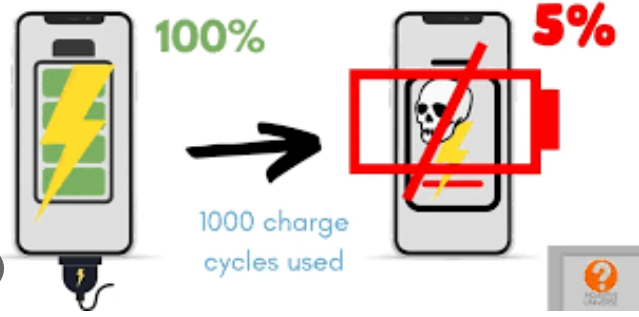
80% battery health after 800–1,000 cycles
This ensures long-term reliability.
6. Power Saving Modes
Look for features such as:
-
Ultra power saver
-
App sleep mode
-
Background activity control
-
Adaptive battery learning
These dramatically increase battery endurance.
7. Software Update Support
Better software updates = better optimization.
Brands with good update support offer longer-lasting performance.
How to Test Real Battery Life Before Buying
You cannot always trust marketing claims. Here is how to evaluate real battery performance.
1. Read Real-World User Reviews
Users often share:
-
Screen-on-time
-
Charging speed
-
Heating issues
-
Battery drain during gaming or 5G
These are more accurate than spec sheets.
2. Battery Endurance Ratings
Look for:
-
Video playback time
-
Standby time
-
Web browsing duration
-
Gaming battery drain
Phones with endurance ratings above 100–120 hours are considered great.
3. Check for Heating Issues
Phones that heat up quickly drain faster and age badly.
Check:
-
Does gaming cause overheating?
-
Does charging heat the phone excessively?
-
Does the phone heat in sunlight?
Avoid phones with heating complaints.
4. Compare with Competitors
Sometimes two phones have the same battery capacity but very different performance due to:
-
Screen technology
-
Chip efficiency
-
Software optimization
Comparisons help you choose the most efficient one.
Long-Lasting Phones vs Regular Phones: What’s the Difference?
1. Bigger Battery
Long-lasting phones typically have larger batteries (5,000–7,000 mAh).
2. Better Cooling Technology
Ensures that the battery stays healthy for years.
3. More Efficient Chipset
Economical power usage improves daily battery life.
4. Optimized Software
Reduces background drain and manages performance better.
5. Higher Endurance Ratings
They last longer in gaming, browsing, and video playback.
Common Battery Myths You Should Not Believe
Myth 1: Higher mAh = Always better
Wrong—software optimization and processor efficiency matter more.
Myth 2: Fast charging damages the battery quickly
Modern phones have smart charging systems that protect battery health.
Myth 3: You must charge from 0–100%
Lithium-ion batteries prefer the 20–80% range for longer life.
Myth 4: Overnight charging is harmful
Most new phones stop charging at 100% automatically.
Myth 5: Closing apps saves battery
Actually, reopening apps consumes more power.
Better: let the system manage background apps.
Tips to Increase Battery Life After Buying
Even the best phone needs proper care.
1. Avoid Extreme Heat
Heat is the biggest enemy.
2. Use Auto-Brightness
Prevents unnecessary power usage.
3. Turn Off Unused Features
-
Bluetooth
-
NFC
-
GPS
-
Hotspot
4. Limit 120Hz Use
Use adaptive mode instead of forcing 120Hz.
5. Use Original Chargers
Cheap chargers cause heat and reduce battery health.
6. Enable Battery Saver Mode
Modern power-saving modes are highly efficient.
7. Update Your Phone
Software updates improve performance and battery management.
Who Should Prioritize Battery Life the Most?
1. Travelers
Long trips need longer battery life.
2. Professionals
People who use phones for work need reliability.
3. Gamers
Heavy gaming drains battery fast — larger battery is essential.
4. Students
A full-day campus schedule requires all-day battery.
5. Content Creators
Video shooting and editing consume massive power.
If you belong to any of these categories, battery life should be your top priority.
Final Buying Checklist for a Long-Lasting Phone
Before purchasing, check the following list:
✔ 5,000–6,000 mAh battery
✔ AMOLED display
✔ Adaptive refresh rate
✔ Fast charging (33W–80W)
✔ Efficient chipset (4nm or 6nm)
✔ Good cooling system
✔ Strong battery health management
✔ Optimized software
✔ Positive real-world battery reviews
If a phone meets most of these criteria, it will easily last the entire day and stay healthy for years.
Conclusion
Choosing a long-lasting phone is not just about picking the highest mAh battery. It involves understanding how hardware, software, display technology, and optimization work together to create a device that can truly last all day.